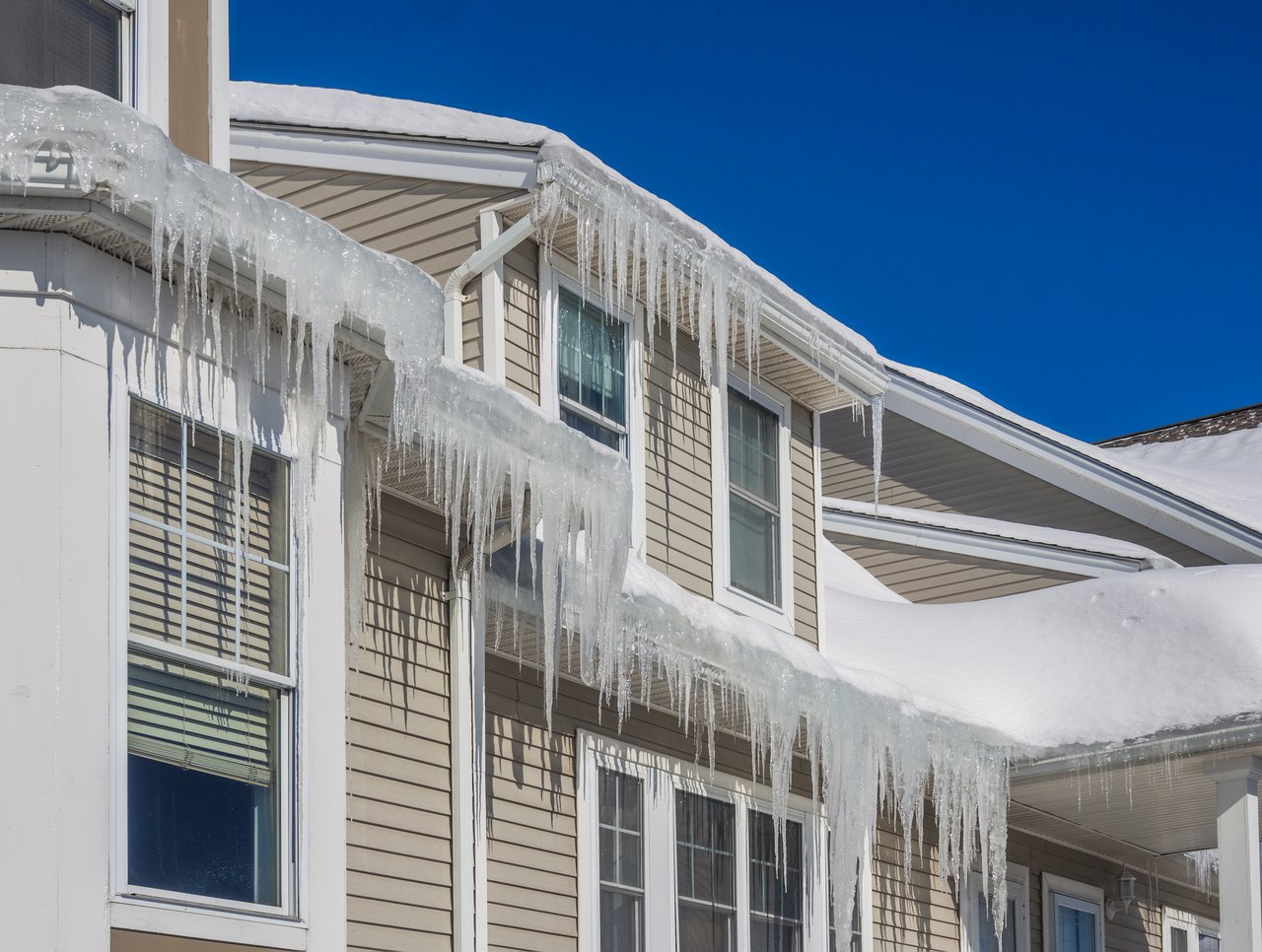
As the frigid temps and surreal accumulations of snow and ice leave us, we need to assess the damage brought to our homes. Below is checklist of how to proceed and what to look for:
Start outside if it’s safe:
-
Look for missing, lifted, or cracked shingles and heavy ice buildup along roof edges.
-
Check gutters and downspouts for sagging, separation, or ice damage.
-
Inspect tree limbs near the home for cracks or breakage that could fall later.
Move indoors next:
-
Watch for ceiling stains, peeling paint, or damp drywall, especially near exterior walls and attic spaces.
-
Check windows and doors for drafts or water intrusion caused by freeze–thaw cycles.
-
Listen for unusual dripping sounds during thawing, which can indicate hidden leaks.
Protect against plumbing issues:
-
Slowly thaw frozen pipes using warm air—never open flames.
-
Turn off water immediately if a pipe bursts and call a professional.
Document everything:
-
Take photos of any visible damage, even if it seems minor.
-
Save receipts for emergency repairs or mitigation.
Don’t delay repairs:
-
Small issues after a winter storm can quickly turn into major problems as temperatures rise.
-
If you suspect roof or structural damage, schedule a professional inspection.
“Damage from winter storms often shows up days or weeks later, especially as ice melts. Early checks can save homeowners thousands in repairs.”